
Meridian is a nonprofit, nonpartisan diplomacy center that connects leaders through global leadership, collaboration and culture to drive solutions for global challenges.
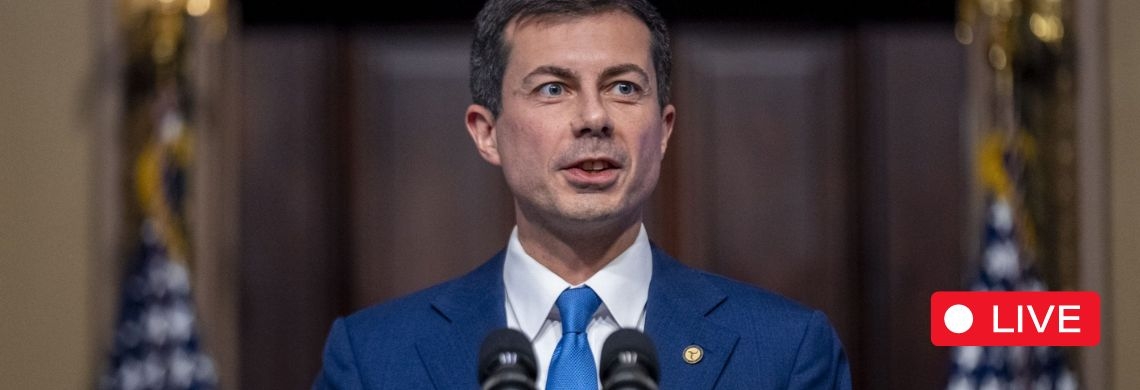
Live at Meridian: Secretary of Transportation Pete Buttigieg
FRIDAY, FEBRUARY 16WATCH NOW
Get Updates on All Things Meridian
Follow Us on LinkedIn
Latest
News: Diplomatic Engagement – Blog: The Dynamics Behind the International Day of Multilateralism and Diplomacy for Peace
Project: Diplomatic Engagement – Special Report: 2023 Diplomatic Skills Training for Emerging Scientists
Meridian in the News: IVLP in Kazakhstan | Фильм о программе IVLP (International Visitor Leadership Program)
Announcement: Upcoming Events – IVLP Impact Awards Alumni Discussion Series: Inclusion and Accessibility for Disability Rights
Blog: IVLP – IVLP Impact Awards Perspectives: Building Bridges for Women’s Political Empowerment by Danielle Najjar
See All Latest UpdatesOur Mission
Meridian strengthens engagement between the United States and the world through diplomacy, leadership and culture to solve shared global challenges.Our Vision
Meridian believes the United States is stronger and the world is safer when leaders collaborate across countries and cultures.Meridian programs, activities and events are featured regularly in print and broadcast media. In addition, Meridian amplifies its work through all social media platforms.

Stay connected and get involved with Meridian by partnering with us, providing philanthropic support, attending an event, joining a council, or working for us.